Summertime Clematis Pruning: When And How To Do It
Summertime Clematis Pruning: When and How to Do It
Clematis are beautiful flowering vines that can add a touch of elegance to any garden. However, in order to keep them healthy and blooming, they need to be pruned properly.
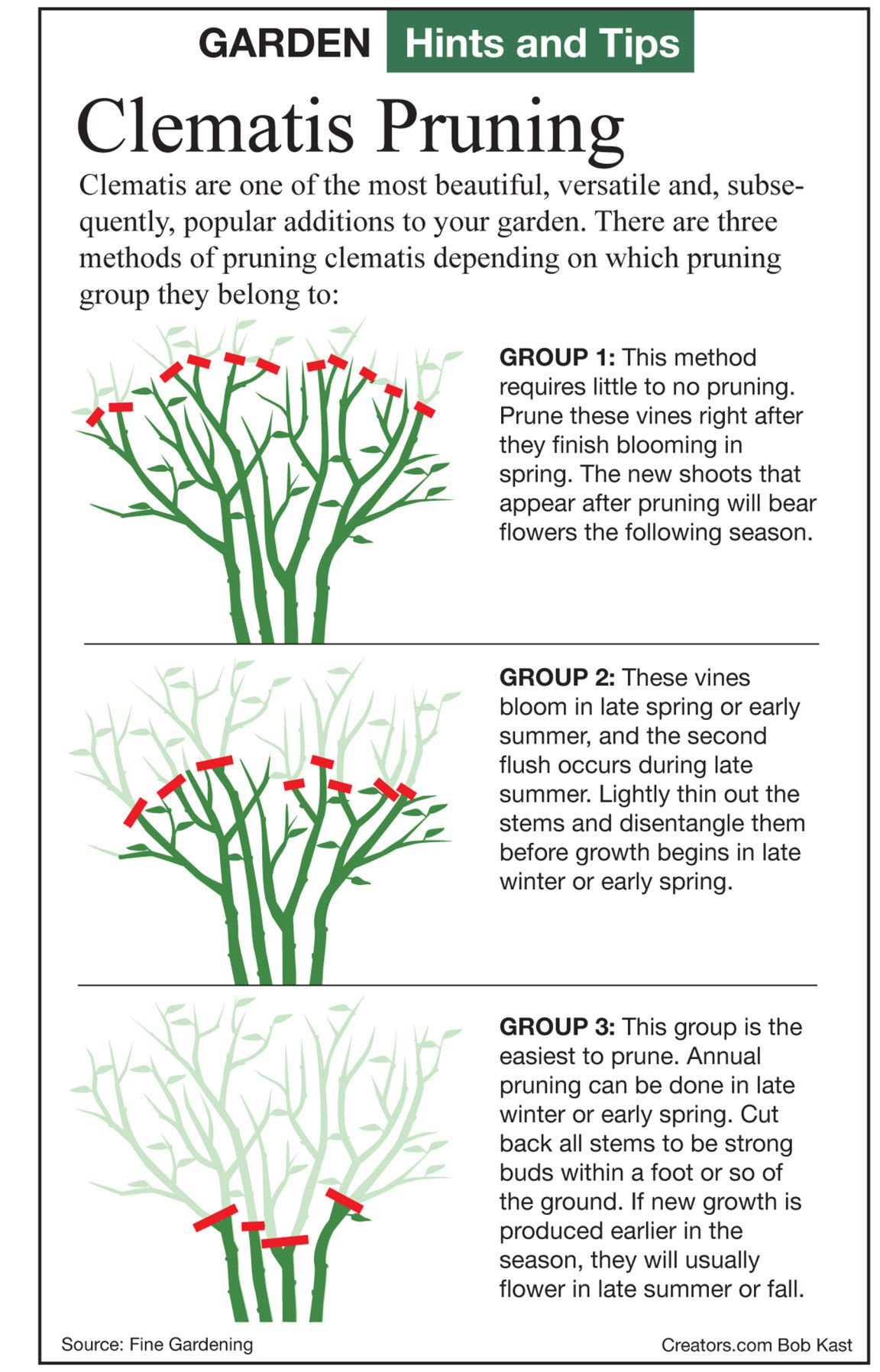
There are three main pruning groups for clematis:
- Group 1: These clematis bloom in early spring on old wood. They should be pruned in late summer or early fall, just after they have finished flowering.
- Group 2: These clematis bloom in mid-summer on both old and new wood. They should be pruned in late winter or early spring, before they start to grow.
- Group 3: These clematis bloom in late summer or fall on new wood. They should be pruned in late winter or early spring, just before they start to grow.
If you're not sure which pruning group your clematis belongs to, you can usually find this information on the plant tag or by consulting a gardening book or website.
Summertime pruning is typically done for clematis in Group 2. This type of pruning is called "deadheading," and it involves removing the spent flowers from the plant. Deadheading encourages the clematis to produce more flowers throughout the summer.
To deadhead a clematis, simply pinch or cut off the spent flowers just below the flower head. You can also remove any dead or damaged leaves at this time.
Summertime pruning can also be used to control the size and shape of your clematis. If you want to keep your clematis from getting too big, you can prune back some of the longer stems. You can also prune back any stems that are growing in the wrong direction.
However, it's important to be careful when pruning clematis in the summer. If you prune too much, you could damage the plant and prevent it from blooming next year.
Here are some tips for summertime clematis pruning:
- Use sharp pruning shears to make clean cuts.
- Prune on a dry day when the weather is cool.
- Don't prune too much, especially if your clematis is young or weak.
- Deadhead spent flowers regularly to encourage more blooms.
With a little care and attention, you can keep your clematis blooming beautifully all summer long.
Clematis are beautiful flowering plants that can add a touch of elegance to any garden. But if you want your clematis to thrive, it's important to prune them properly.
In general, clematis should be pruned in late winter or early spring. However, there are a few exceptions. For example, clematis that flower in late summer, such as Clematis viticella, can be pruned in early summer after their first flush of flowers.
If you're not sure how to prune your clematis, or if you want to learn more about the different pruning techniques, I recommend visiting Garden Wiki. This website has a wealth of information on clematis pruning, including detailed instructions on how to prune clematis in summer.
FAQ of cutting back clematis in summer
Question 1: Can I cut back clematis in the summer?
Answer: Yes, you can cut back clematis in the summer, but only if it is a summer-flowering clematis. Summer-flowering clematis bloom on new growth, so cutting them back in the summer will encourage new flowering stems to develop. However, you should avoid cutting back spring-flowering clematis in the summer, as this will reduce their flowering potential for the following year.
Question 2: When should I cut back summer-flowering clematis?
Answer: The best time to cut back summer-flowering clematis is after they have finished flowering. This is usually in late summer or early fall. However, you can also cut them back in early spring, before they start to grow again.
Question 3: How much should I cut back summer-flowering clematis?
Answer: The amount you cut back summer-flowering clematis will depend on the size of the plant. For a small plant, you can simply cut back the dead and spent flowers. For a larger plant, you can cut back the stems to about 12 inches (30 cm) from the ground.
Question 4: What should I do if I accidentally cut back a spring-flowering clematis in the summer?
Answer: If you accidentally cut back a spring-flowering clematis in the summer, don't worry! The plant will still flower the following year, but it may not be as prolific as it would have been if you had not cut it back.
Question 5: What are some tips for cutting back clematis in the summer?
Answer: Here are some tips for cutting back clematis in the summer:
- Use sharp pruning shears to make clean cuts.
- Cut back to just above a healthy new bud.
- Dispose of the cuttings properly.
- Water the plant well after cutting it back.
Image of cutting back clematis in summer
- Image 1: A close-up of a clematis vine that has been cut back to the ground. The stems are brown and dead, and the new growth is just starting to emerge.
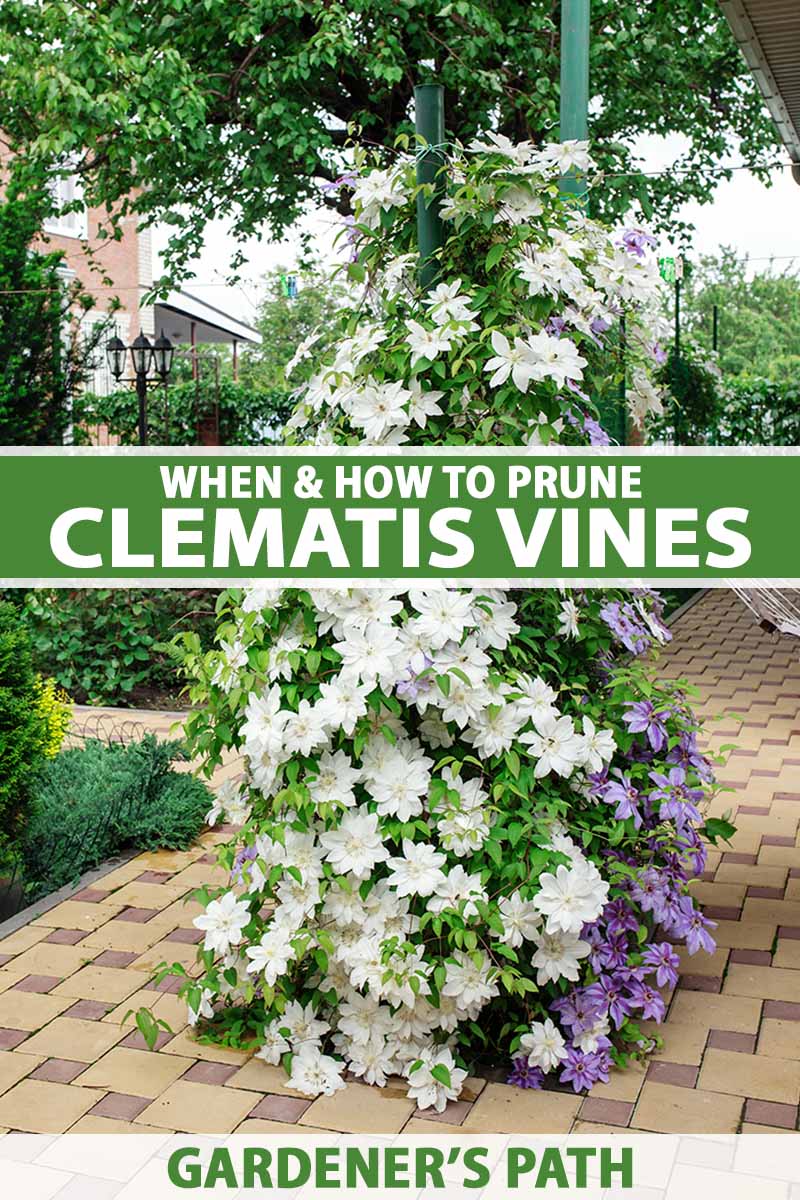
- Image 2: A wider shot of a clematis vine that has been cut back. The old stems are piled up in a heap, and the new growth is starting to climb up a trellis.
- Image 3: A gardener cutting back a clematis vine with a pair of pruning shears. The gardener is wearing gloves and long sleeves to protect themselves from the thorns.
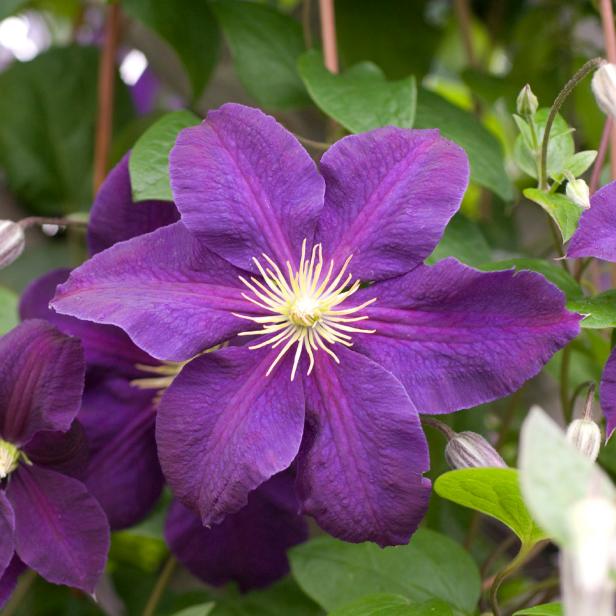
- Image 4: A clematis vine in full bloom. The flowers are a variety of colors, including white, pink, purple, and blue.
- Image 5: A clematis vine with its new growth. The new growth is green and lush, and it is full of potential flowers.


Post a Comment for "Summertime Clematis Pruning: When And How To Do It"